GEO Marketing
Verification over Vanity: Why “Verified Data” Is the New Backlink
February 27, 2026
Key Takeaways
- • In SEO, backlinks were the currency of trust. In GEO, verified and consistent data is the currency of trust.
- • AI hallucinations happen when property data conflicts across listing sites — the AI fills gaps with invented facts.
- • An AI agent won't recommend a property if it finds conflicting price points. Consistency is a visibility issue.
- • Every platform your property appears on is a “data node” — and AI cross-references all of them.
- • Data integrity auditing is now a core GEO strategy, not just an operations task.
- • ClyncGEO manages data consistency across all digital touchpoints to build entity authority with AI models.
In the SEO era, backlinks were king. The more reputable sites that linked to you, the more Google trusted you. Entire industries were built around acquiring, earning, and sometimes manufacturing backlinks. Your domain authority rose with every link, and domain authority determined your ranking. For a decade, this was the game.
That game has a successor. In the GEO era, the currency of trust isn't who links to you. It's whether your facts are consistent everywhere AI looks. Backlinks told Google “other sites vouch for this one.” Verified data tells AI “this entity's information is reliable across the entire internet.”
“What's the rent for a two-bedroom at Cascade Apartments in Bellevue?”
Simple question. Complicated answer. Your website says $2,150. Apartments.com says $2,050. Zillow says $2,200. Your Google Business Profile hasn't been updated in three months. The AI just found four different numbers for the same unit. What does it do?
It does one of two things — and both are bad. It either hallucinates a number (picks one, averages them, or invents its own), or it skips your property entirely and recommends a competitor whose data is clean. Either way, you lose.
When AI Hallucinates Your Property
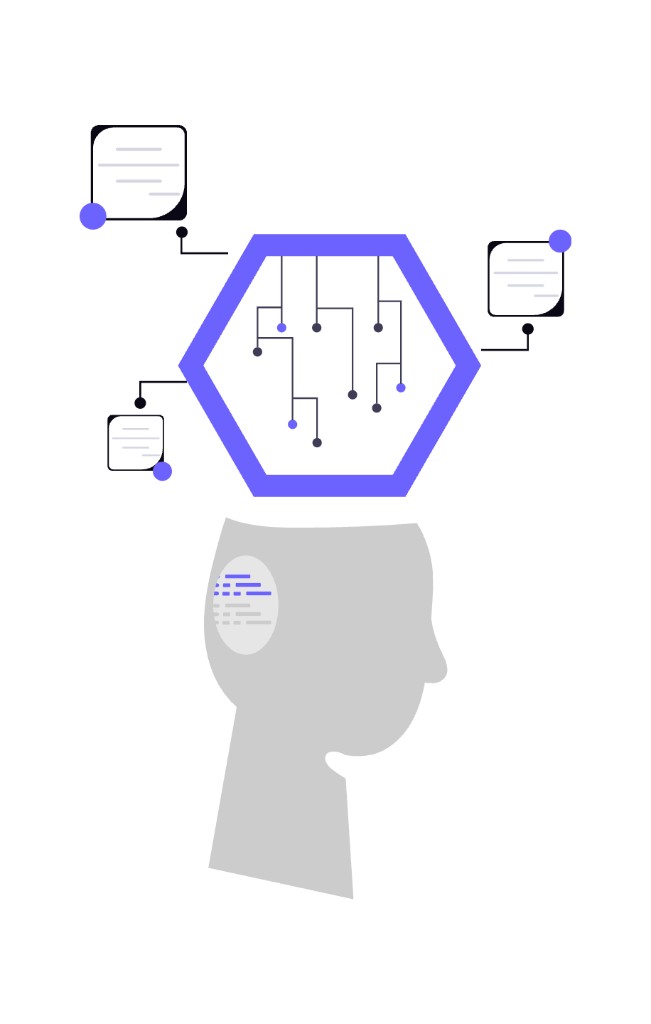
AI hallucinations aren't random. They're predictable. They happen when a model encounters conflicting signals and tries to synthesize a coherent answer anyway. In the property management world, the most common triggers are:
- Price mismatches — different rent amounts on your website, ILS feeds, and listing aggregators
- Amenity inconsistencies — your site lists a dog park, Apartments.com doesn't, Zillow says “pet-friendly but no dog park”
- Availability conflicts — a unit shows as available on one platform and unavailable on another
- Policy contradictions — your website says “cats only,” your Google listing says “pets welcome”
- Name and address variations — “Cascade Apartments” vs “The Cascade” vs “Cascade at Bellevue”
Each of these creates an opening for hallucination. The AI doesn't know which source is correct. It has no way to call your leasing office and ask. So it either guesses — and potentially tells a renter the wrong price — or it decides your data is too unreliable to use at all. The zero-click renter never gets your property in their answer. And unlike a wrong phone number on a flyer, you'll never know it happened.
The Trust Graph: Every Data Node Matters
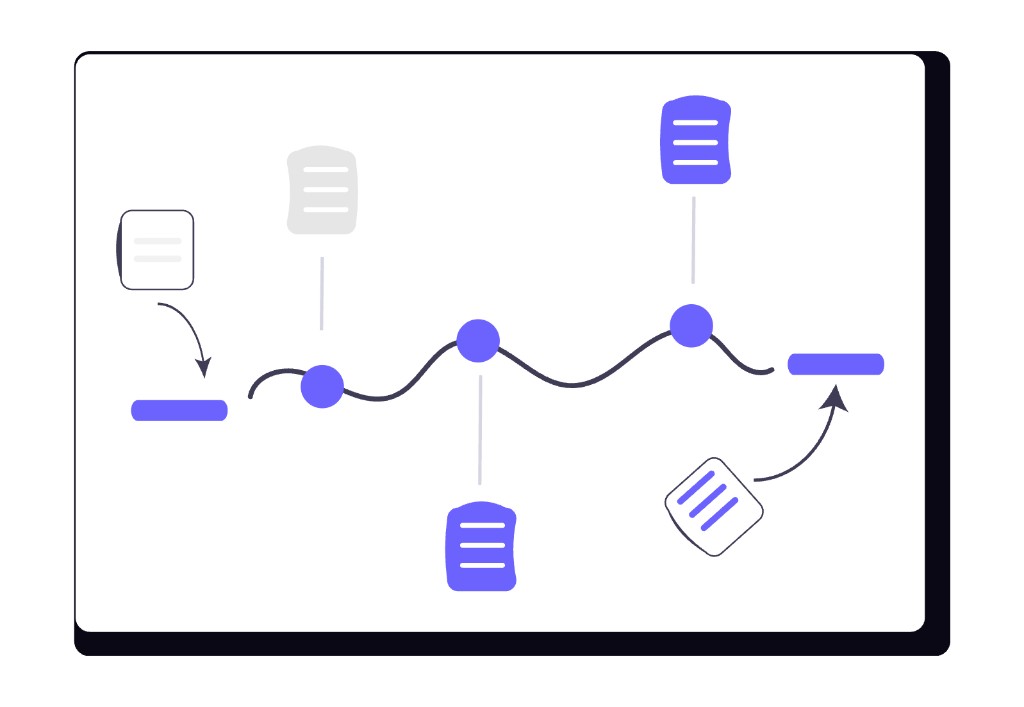
Think of your property's digital presence as a graph. Your website is one node. Your Google Business Profile is another. Apartments.com, Zillow, Rent.com, your ILS feeds, your social media profiles, your Yelp page — each one is a node in the graph. AI models traverse this graph, cross-referencing facts at every stop.
When every node agrees, the AI gains confidence. “This property's price is $2,150 everywhere I look. The amenity list matches across five sources. The address is identical on every platform. This entity is verified.” That confidence is what gets you into the top three. It's the GEO equivalent of a strong backlink profile.
When nodes conflict, the AI loses confidence. And just like a site with spammy backlinks got penalized by Google, a property with conflicting data gets penalized by AI. Not with a formal penalty notice — with silence. You simply don't appear in the recommendation.
From Backlinks to Verified Facts
The parallel is almost exact. In SEO, you needed authoritative sites linking to you. In GEO, you need authoritative platforms confirming the same facts about you. The mechanism changed, but the principle didn't: trust is built through consistent signals from reliable sources.
- Backlinks said: “Other reputable sites trust this website.”
- Verified data says: “This entity's facts are confirmed across every platform AI checks.”
- Backlinks were earned through content marketing, PR, and outreach.
- Verified data is earned through operational discipline, data hygiene, and cross-platform consistency.
- Backlinks compounded — more links meant more authority meant higher rankings.
- Verified data compounds — more consistency across more platforms means deeper entity authority with AI models over time.
And here's the part most property managers miss: you don't control all the nodes. You might update your website, but did you update Apartments.com? Did your ILS feed push the new pricing to Zillow? Is your Google Business Profile still showing last quarter's specials? Every stale data point is a crack in your trust graph.
The Consistency Audit
Data integrity isn't a one-time fix. Prices change. Units turn over. Specials rotate. Pet policies get updated. Every time any fact changes, it needs to propagate to every node in your trust graph — simultaneously. A lag of even a few days creates a window where AI is reading conflicting data.
This is where property management gets practical. The audit isn't glamorous. It's checking whether your website rent matches your ILS feed rent matches your Google listing rent matches your Apartments.com rent. It's verifying that the amenity list is identical in wording and completeness across every platform. It's confirming your property name and address are formatted the same way everywhere.
- 1. Map every data node. List every platform where your property appears: website, GBP, ILS feeds, aggregator sites, social media, review platforms.
- 2. Audit core facts. Compare rent, unit types, amenities, pet policies, address, property name, and contact info across every node.
- 3. Flag discrepancies. Any mismatch is a crack in your trust graph. Prioritize by impact: pricing and availability mismatches are the most damaging.
- 4. Fix at the source. Update your primary data system first, then push to all downstream platforms.
- 5. Automate where possible. Manual updates across 10+ platforms don't scale. Data feeds and API integrations reduce the window for inconsistency.
- 6. Monitor continuously. Set a cadence. Monthly at minimum. Weekly during peak leasing season.
ClyncGEO treats data integrity as a core layer of GEO optimization. Structured data gets your property into AI's consideration set. Sentiment determines whether AI trusts your reputation. But data verification is what makes AI confident enough to state your facts as its own recommendation. We manage the consistency layer so that every node in your trust graph tells the same story — because in the agent era, a single conflicting data point can cost you the lead.
The Bottom Line
Vanity metrics won't save you in the AI era. The prettiest website, the most backlinks, the biggest ad budget — none of it matters if an AI agent finds three different prices for your two-bedroom. SEO built trust through links. GEO builds trust through facts. The properties that treat data consistency as a strategic priority — not an afterthought — are the ones AI will confidently recommend.
Backlinks told Google you were trusted. Verified data tells AI you're reliable. In GEO, consistency is the new authority.
Make your data the source AI trusts.
ClyncGEO audits, aligns, and monitors your property data across every platform — so AI models find consistency, not contradictions.
Get Started with ClyncGEO